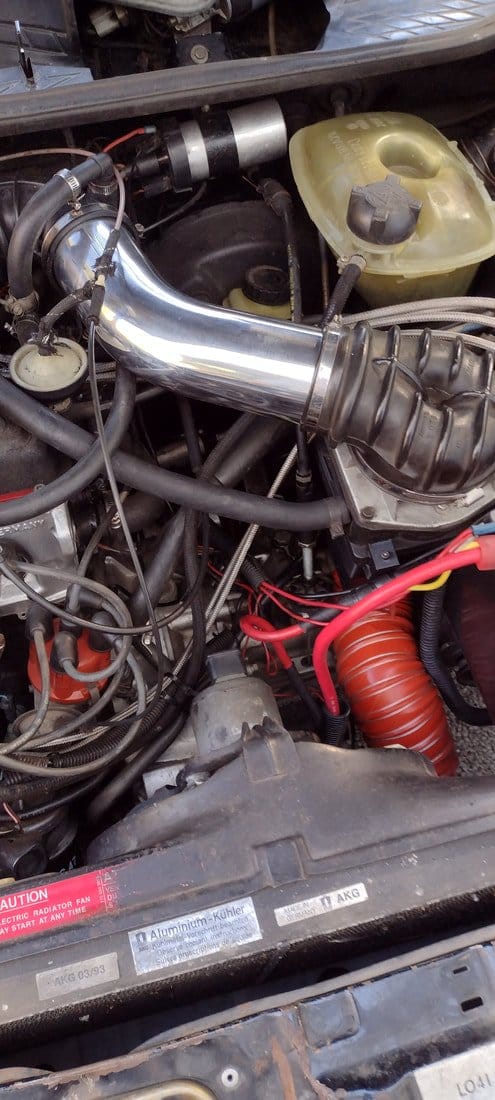
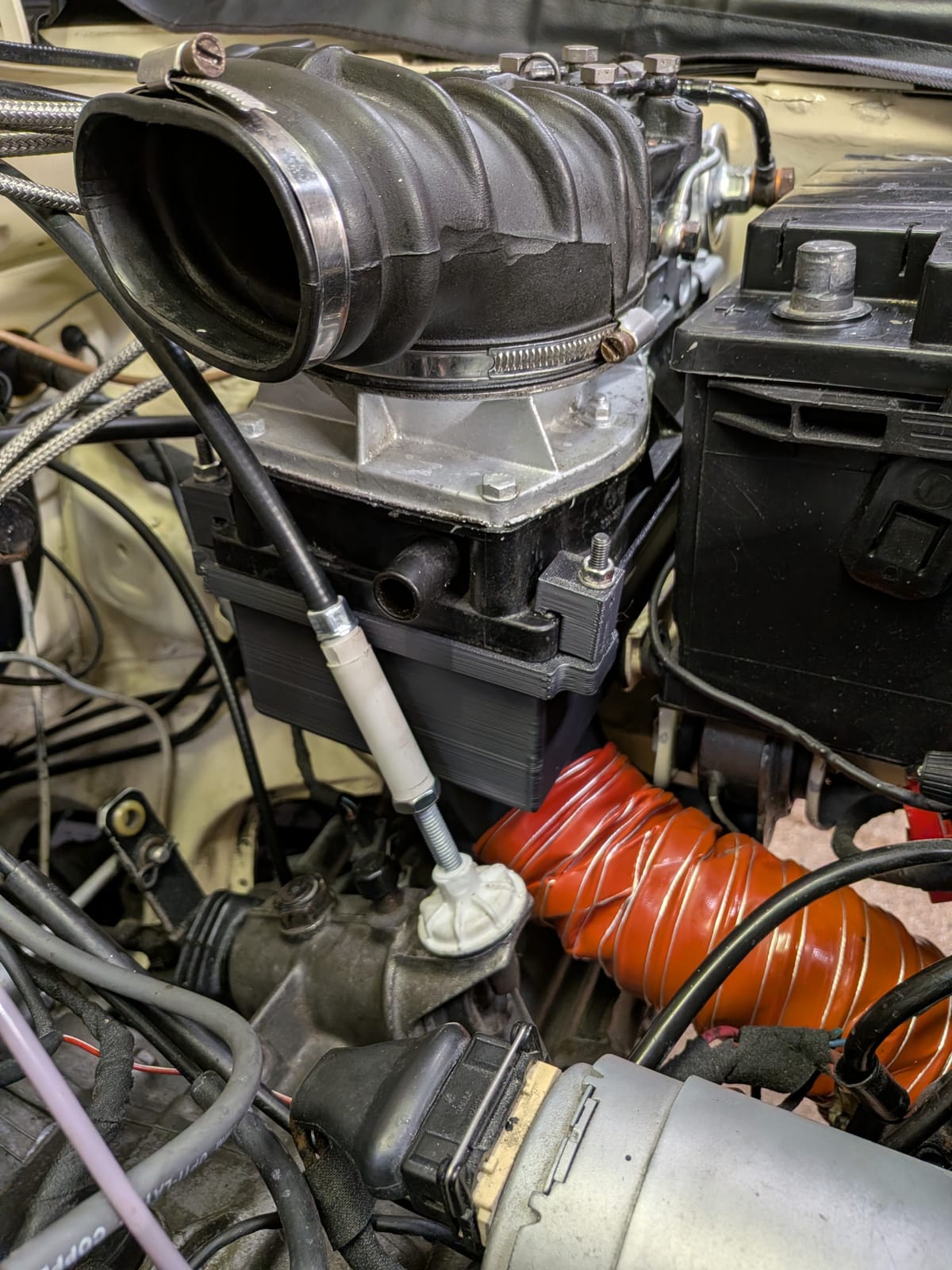
We don't sell performance parts that don't deliver performance. We didn't expect large gains from a bigger cold-air intake, but we wanted to prove it was worth doing and didn't cost power.
Many cars run modified air boxes that draw more air but take it from the hot engine bay, or simply leave the intake hose open under the hood. On a hot summer day, every 10 °F rise in intake air temperature costs about 1 hp.
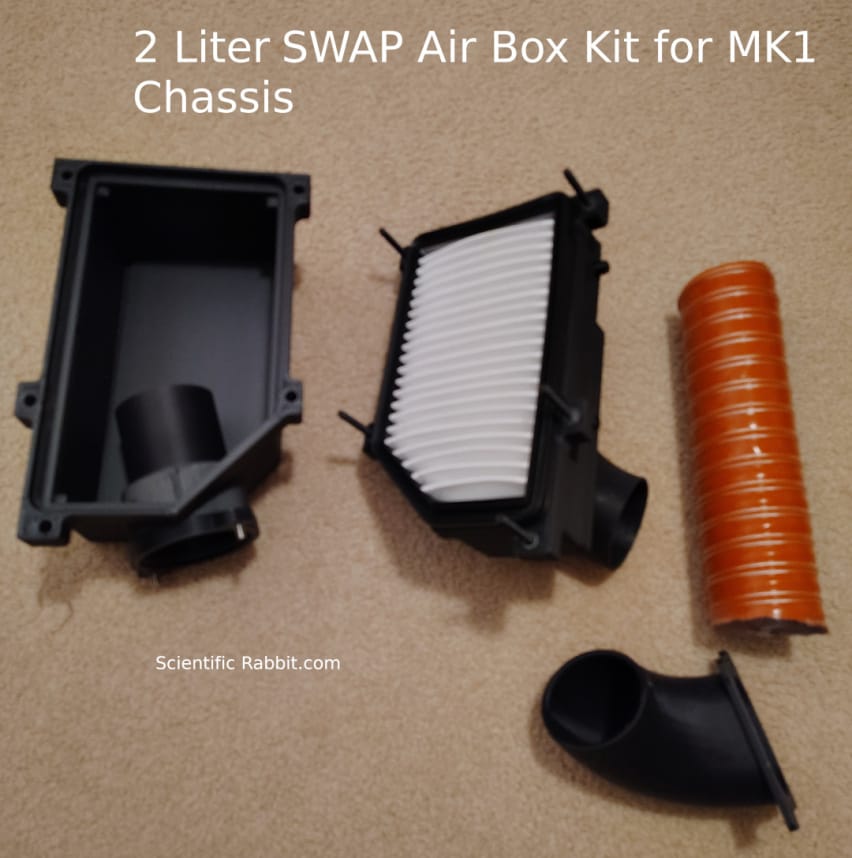
VW itself enlarged the CIS-E 16-valve air boxes, and vintage VW race cars commonly run large-bore lower CIS boxes, so it was worth testing. The big bore box was designed to do two things:
- Make sure all intake air comes from the coolest place, outside the engine bay.
- Increase airflow through the box.
Test car: 1983 GTI
- Block
- Stock 1.8 JH
- Head
- Ported JH, solid lifters, stock valves
- Manifold
- Ported intake manifold
- Cam
- Web 272
- Fuel
- CIS K-Jetronic
- Exhaust
- 4-1 header
- Ignition
- 8° advanced static timing
- Throttle body
- Stock
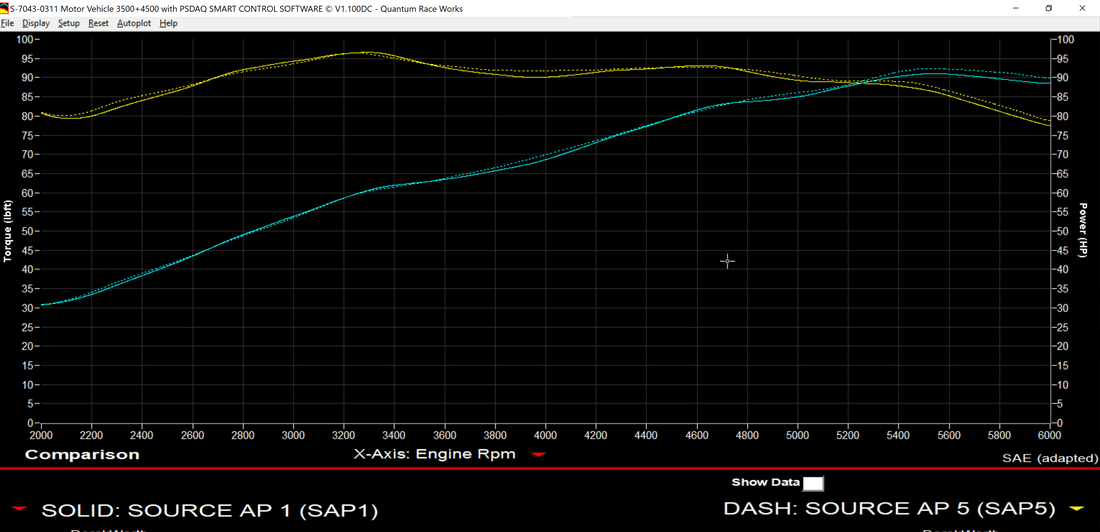
Result: a modest 2 hp and torque gain at 2,200, 4,000 and 4,800 rpm, no loss anywhere in the rev range, and every breath of intake air now comes from outside the engine bay.
Road test: mapping engine-bay temperatures
The dyno shows power, but not what the intake breathes on the road. So the car was fitted with temperature sensors around the engine bay and inside the air box, to find the best and worst places to draw intake air from.
Two runs were made on different days over the same route of about 5 miles: stop signs, traffic lights and 2 miles of highway. The first run logged the left side of the car, with a sensor inside the Big Bore air box. The second logged the right side, with a sensor at the ABA air box inlet location, to see what intake temperatures an inlet on the right side of the car would see.
Run 1, left side: peak temperaturesLOWER IS BETTER
- Outside the lower air box
- Under the battery
- Under hood, above radiator
- Inside the Big Bore air box
Run 2, right side: peak temperaturesLOWER IS BETTER
- Frame rail
- Under hood
- ABA air box inlet location
- Ambient
Findings. Drawing from the factory under-radiator inlet kept the air inside the box at 70.7 °F, 38 °F cooler than the engine bay next to it. On the right side, the inlet location peaked at 103.7 °F, about 31 °F above ambient. At roughly 1 hp lost per 10 °F, that is about 3 hp. Where the inlet sits matters as much as how big it is.